
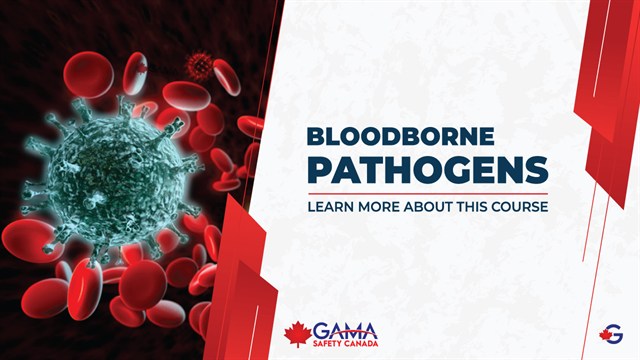
Bloodborne pathogens are germs in blood and some body fluids that can cause serious disease, mainly hepatitis B, hepatitis C and HIV. Workers can be exposed through needlesticks, cuts from sharp objects, or splashes into the eyes, nose, mouth or broken skin. This guide explains how exposure happens, how to prevent it, what to do if it happens, and how to get trained online.
What are bloodborne pathogens?
A pathogen is a germ that can cause disease. Bloodborne pathogens (BBPs) are germs carried in human blood and in some other body fluids. If they get into another person’s bloodstream, they can cause infection.
The three main concerns at work are:
Hepatitis B (HBV)
A virus that attacks the liver. A vaccine is available and recommended for many at-risk workers.
Hepatitis C (HCV)
A virus that also attacks the liver and can cause long-term liver damage. There is no vaccine.
HIV
A virus that weakens the immune system. There is no vaccine.
Many people who carry these viruses look and feel healthy and may not know they are infected. That is why workers treat all blood and body fluids as if they could be infectious.
How workers are exposed
Bloodborne pathogens do not spread through normal contact such as shaking hands, sharing a phone or working in the same room. Exposure at work happens when infected blood or fluid gets into your body through:
- Needlestick injuries from used needles, including ones left in garbage, laundry or public areas.
- Cuts from broken glass, razors, scalpels or other sharp objects with blood on them.
- Splashes of blood or fluids into the eyes, nose or mouth.
- Contact with broken skin, such as cuts, scrapes, rashes or chapped hands.
Unprotected first aid, cleaning up blood spills, handling sharps and dealing with people who are bleeding all carry a risk.
How to prevent exposure
- Use universal precautions. Treat all blood and certain body fluids as potentially infectious, every time.
- Wear the right PPE. Disposable gloves are the basic protection. Add eye protection, a face shield, a mask or a gown when splashes are possible.
- Handle sharps safely. Do not recap, bend or break used needles. Put sharps straight into an approved sharps container. Never reach into garbage bags with bare hands.
- Clean up spills properly. Wear gloves, use the clean-up kit and disinfectant your employer provides, and dispose of waste the right way.
- Wash your hands after removing gloves and after any possible contact.
- Get vaccinated. The hepatitis B vaccine is recommended for many workers at risk of exposure.
Gloves only work if you use them the right way. Check them for tears before you start. Change them between people and whenever they are torn or heavily soiled. Take them off by peeling them inside out, so the dirty outside never touches your skin, and wash your hands right after. Never wash and reuse disposable gloves.
Cover any cuts, scrapes or rashes on your hands with a waterproof bandage before you put gloves on. If you see a needle where it should not be, do not pick it up with your fingers. Use tongs or the tool your employer provides and drop it into a sharps container, or report it so a trained person can remove it.
Get your Bloodborne Pathogens certificate today
100% online · unlimited free retakes · instant certificate + free wallet card
What to do after an exposure
If you are stuck by a needle, cut, or splashed with blood, act quickly:
- Wash the area with soap and water. Flush splashes to the eyes, nose or mouth with plenty of clean water.
- Report the exposure to your supervisor right away.
- Get medical attention as soon as possible. A health care provider will assess your risk and the next steps.
- Follow your employer’s exposure control plan and make sure the incident is documented.
Fast action matters. Do not wait until the end of your shift. Write down what happened, when, and what the source was, so the health care provider has the facts they need.
What the rules say
Under provincial OHS regulations, employers must protect workers from biological hazards they may be exposed to at work. In plain words, where workers may be exposed to blood or body fluids, employers are expected to assess the risk, have an exposure control plan, provide PPE and safe sharps containers, and train workers. The exact rules differ by province.
An exposure control plan usually explains which jobs and tasks carry a risk, which PPE and safe work practices to use, how sharps and contaminated waste are handled, how vaccination is offered, and what to do and who to tell after an exposure. Ask your supervisor where your workplace’s plan is kept.
Workers have duties too: follow the plan, use the PPE provided, and report every exposure, even if it seems minor.
Who needs bloodborne pathogens training?
It also suits anyone who may give first aid at work or handle waste that could contain needles, such as housekeeping, waste collection, parks and maintenance staff.
What the online course covers
Gama Safety’s Bloodborne Pathogens course has two modules:
- Bloodborne Pathogens Course. What bloodborne pathogens are, how hepatitis B, hepatitis C and HIV spread at work, and which jobs carry the most risk.
- BBP Exposure Prevention. Universal precautions, PPE, safe sharps handling, spill clean-up, and the steps to take right after an exposure incident.
Does it expire? There is no single national expiry date. It depends on your province and employer, and many employers ask for a refresher every 1 to 3 years.
How to get BBP training online
- Enrol in the online Bloodborne Pathogens course and start right away on any device.
- Learn at your own pace. The course takes about 1 hour, and your progress saves automatically.
- Pass the final exam with 80% or better. Retakes are unlimited and free.
- Download your certificate right away. A physical wallet card is mailed to you free.
The course is available in English, French, Spanish, Punjabi, Hindi, Mandarin and more. Training a team? Volume pricing starts at 2 seats, with an admin dashboard to track progress.
Frequently asked questions
What are bloodborne pathogens?
Bloodborne pathogens are germs in human blood and some body fluids that can cause disease. The main ones at work are hepatitis B, hepatitis C and HIV.
How are bloodborne pathogens spread at work?
Through needlestick injuries, cuts from contaminated sharp objects, and splashes of blood or fluids into the eyes, nose, mouth or broken skin. They do not spread through normal contact like shaking hands.
What are universal precautions?
Universal precautions means treating all blood and certain body fluids as if they are infectious, and using gloves and other protection every time, no matter who the person is.
What should I do if I get a needlestick injury?
Wash the area with soap and water, report it to your supervisor right away, and get medical attention as soon as possible. Follow your employer’s exposure control plan.
Who needs bloodborne pathogens training?
Healthcare and dental staff, first responders, personal support workers, cleaners and custodians, tattoo and piercing artists, correctional and security staff, and anyone who gives first aid at work.
How long does the online BBP course take?
About 1 hour. You can stop and continue anytime and download your certificate as soon as you pass.
Related