
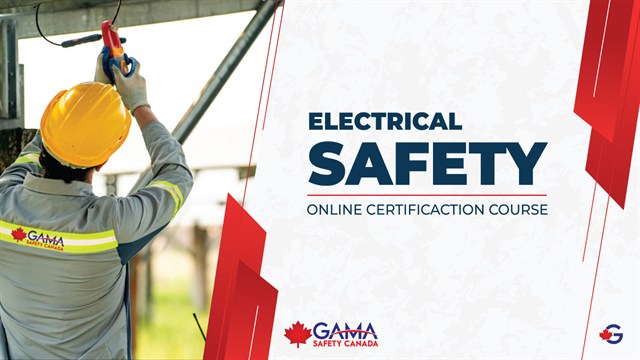
Electrical safety is the set of habits, procedures and protective equipment that keep workers from being hurt by electricity. The main dangers are electric shock, arc flash and arc blast, and many of the people hurt are not electricians. This guide explains the hazards, how circuits protect you, who needs training, and how to get certified online.
What is electrical safety?
Electrical safety means knowing how electricity can hurt you, and working in a way that keeps you out of its path. Electricity always looks for a way to the ground. If your body becomes part of that path, current flows through you.
That can cause burns, stop your heart, or make your muscles lock so you cannot let go. A shock can also make you fall from a ladder or lift. Some injuries are inside the body and do not show right away, so anyone who gets a shock should get medical attention.
Electrical safety is not only for electricians. Construction workers, maintenance staff, warehouse workers, cleaners and equipment operators all work near cords, panels, machines and power lines every day.
The 3 main electrical hazards
1. Electric shock
Current flows through the body when you touch a live part or a faulty tool. It can burn, stop the heart or cause a fall.
2. Arc flash
An electrical explosion of heat and light when current jumps through the air. It can cause severe burns and eye injuries.
3. Arc blast
The pressure wave from an arc. It can throw workers, damage hearing and send molten metal and parts flying.
Common workplace hazards include damaged cords and plugs, overloaded power bars, missing covers on panels and boxes, wet conditions, tools without proper grounding, and equipment that was not locked out before work. Overhead and buried power lines are also a serious risk for anyone using ladders, booms, cranes or digging equipment.
How grounding, GFCIs and breakers protect you
Electrical systems have built-in protection. Knowing how it works helps you spot when it is missing or not working.
- Grounding gives stray current a safe path to the ground, so it does not flow through you if a tool or machine develops a fault.
- A ground fault happens when current escapes its normal path, for example through damaged insulation or water. A short circuit happens when current takes a shortcut between conductors.
- GFCIs (ground fault circuit interrupters) shut off power very quickly when they sense a ground fault. They are a key protection in wet or outdoor areas.
- Fuses and circuit breakers protect wiring and equipment from overloads and short circuits by cutting power when too much current flows.
- Motor protection devices stop electric motors from overheating or being damaged by overloads and faults.
A breaker that keeps tripping is a warning sign, not a nuisance. Do not reset it over and over or bypass it. Report it so a qualified person can find the cause.
Get your Electrical Safety certificate today
100% online · unlimited free retakes · instant certificate + free wallet card
What the rules say
Each province and territory has occupational health and safety regulations with rules for electrical work. In plain words, employers must make sure workers who may be exposed to electrical hazards are trained, that equipment is safe, and that work is done using safe procedures such as lockout.
Only qualified and authorized workers may do electrical work on live equipment. Other workers must keep their distance from exposed live parts and stay well clear of overhead power lines. The minimum distances are set in provincial regulations and depend on the voltage, so check your local rules and your employer’s procedures.
Across Canada, many employers also use CSA Z462, the national workplace electrical safety standard, to build their electrical safety programs and arc flash procedures.
Who needs electrical safety training?
This awareness training is for people who work around electricity but are not qualified electricians, plus their supervisors. It is common in:
Qualified electrical workers who work on energized equipment need more advanced training that includes a hands-on part. An awareness course does not qualify anyone to do electrical work.
What the online course covers
Gama Safety’s Electrical Safety course has six modules:
- Electrical Hazards. How shock, arc flash and arc blast happen, how current affects the body, and how to spot hazards.
- Personal Protective Equipment. How to choose, inspect and use the right PPE near electrical equipment, and the limits of that protection.
- Electrical Safety Procedures. Lockout, approach boundaries, safe use of cords and tools, and when to stop and call an electrician.
- Grounding, Ground Faults, and Short Circuits. How grounding protects you and how GFCIs help prevent shocks.
- Fuses and Circuit Breakers. How they protect people and equipment, and what to do when one trips or blows.
- Motor Protection. The basics of how motors are protected, and the hazards to watch for around them.
The course keeps coming back to a few everyday habits that prevent most injuries:
- Inspect cords, plugs and tools before each use, and take damaged ones out of service.
- Keep water and wet hands away from electrical equipment, and use GFCI protection outdoors and in wet areas.
- Never remove a ground pin, use a cheater plug, or chain power bars together.
- Keep panel doors closed and the area in front of panels clear.
- Lock out equipment before cleaning, clearing jams or doing maintenance.
- Look up before raising a ladder, boom or load, and stay well back from power lines.
- When in doubt, stop and call a qualified electrician.
Does electrical safety training expire?
There is no single national expiry date. It depends on your province and your employer. Many employers ask for a refresher every 1 to 3 years, and you should be retrained when your job, equipment or procedures change.
How to get electrical safety certified online
- Enrol in the online Electrical Safety course and start right away on your phone, tablet or computer.
- Learn at your own pace. The course takes about 90 minutes, and your progress saves automatically.
- Pass the final exam with 80% or better. Retakes are unlimited and free.
- Download your certificate right away. A physical wallet card is mailed to you free.
The course is available in English, French, Spanish, Punjabi, Hindi, Mandarin and more. Training a team? Volume pricing starts at 2 seats, with an admin dashboard to track progress.
Frequently asked questions
What is electrical safety training?
It is training that teaches workers how electrical hazards such as shock, arc flash and arc blast happen, and the PPE and safe work procedures that prevent injuries when working near electricity.
What is the difference between arc flash and arc blast?
Arc flash is the intense heat and light released when current jumps through the air. Arc blast is the pressure wave from that event, which can throw workers and send metal and parts flying.
Who needs electrical safety training?
Workers who work around electricity but are not electricians, such as construction, maintenance, warehouse and facilities staff, plus their supervisors. Electricians who work on live equipment need more advanced training.
Does an online electrical safety course qualify me to do electrical work?
No. It is awareness training. Only qualified and authorized workers may do electrical work, and work on live equipment needs advanced training with a hands-on part.
What does a GFCI do?
A ground fault circuit interrupter shuts off power very quickly when it senses current leaking to the ground, which helps prevent serious shocks, especially in wet or outdoor areas.
How long does the online electrical safety course take?
About 90 minutes. You can stop and continue anytime, and you can download your certificate as soon as you pass.
Related