The nine WHMIS 2015 pictograms
Which pictograms appear on a label depends on the product's hazard classification. A product can have more than one, and some products have none.
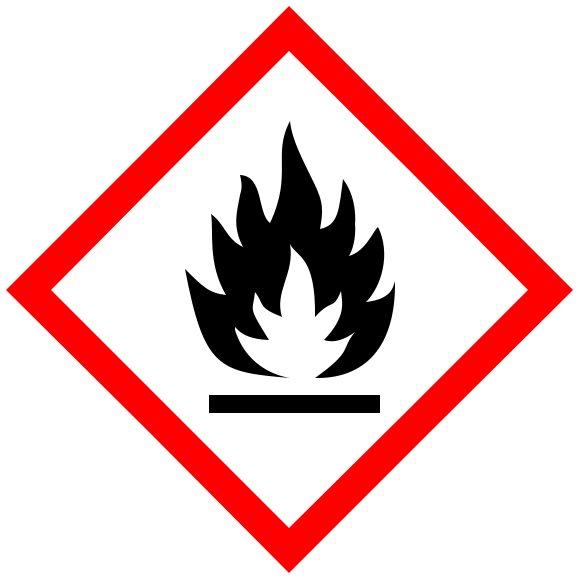
Flame
Flammable gases, aerosols, liquids and solids; self-reactive substances; pyrophoric products; self-heating products; products that emit flammable gas in contact with water; organic peroxides.
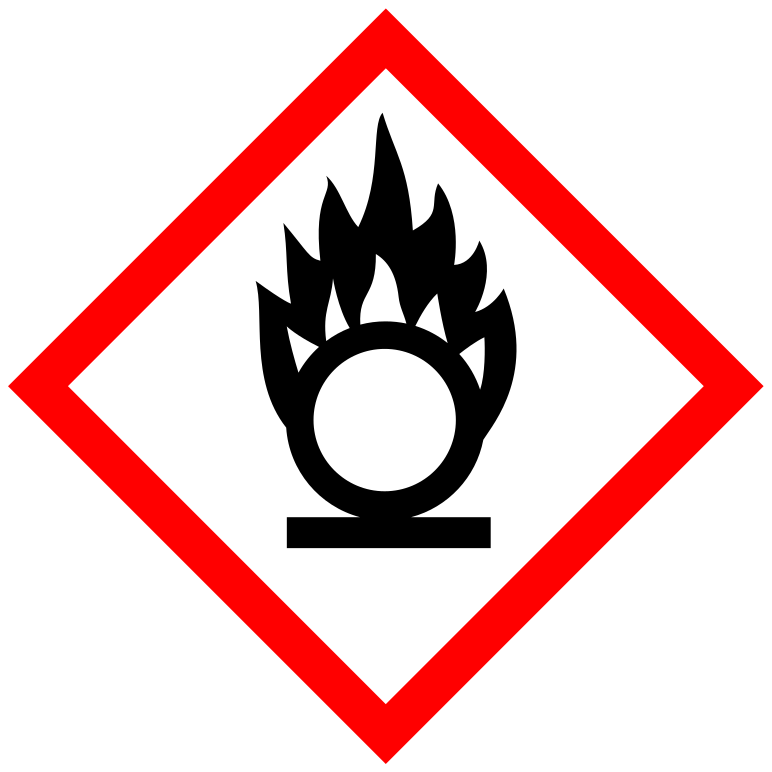
Flame over circle
Oxidizing gases, liquids and solids.
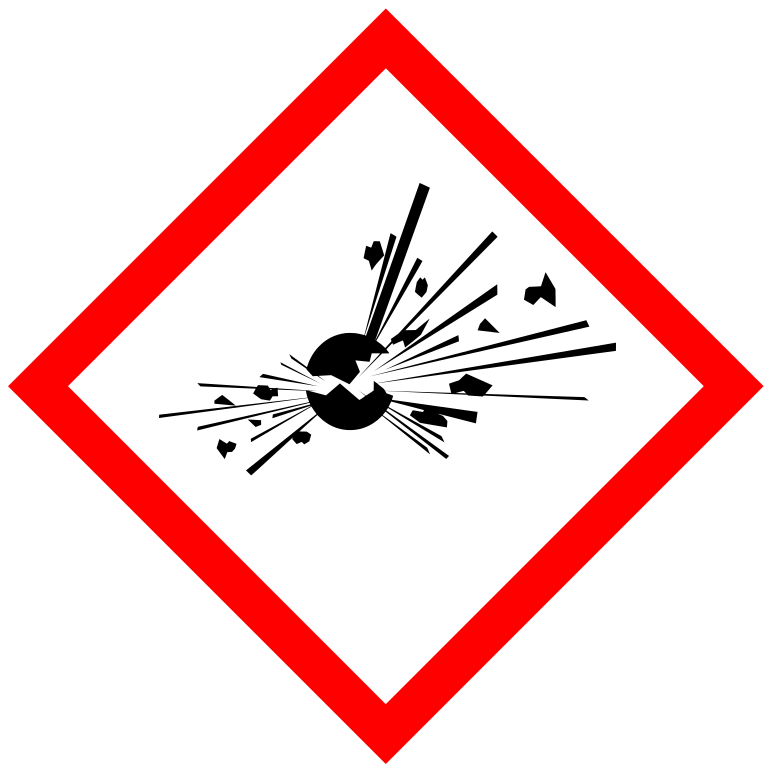
Exploding bomb
Explosives; self-reactive substances and organic peroxides (Type A or B).
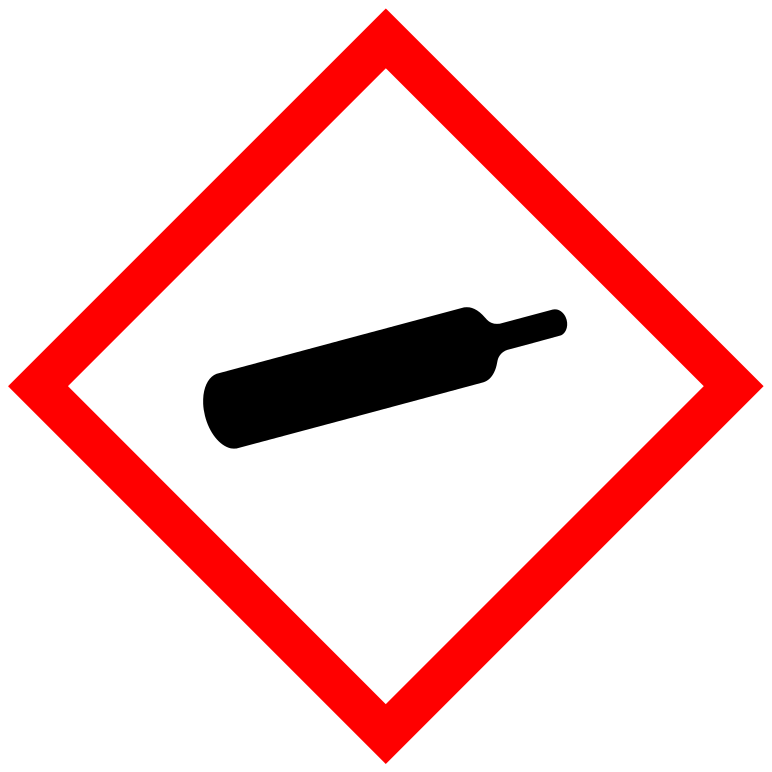
Gas cylinder
Gases under pressure.
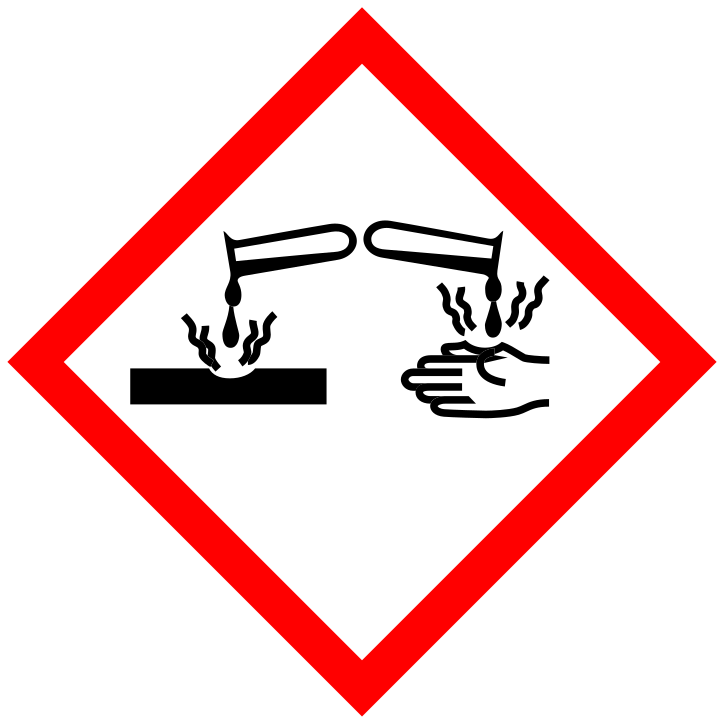
Corrosion
Corrosive to metals; skin corrosion; serious eye damage.
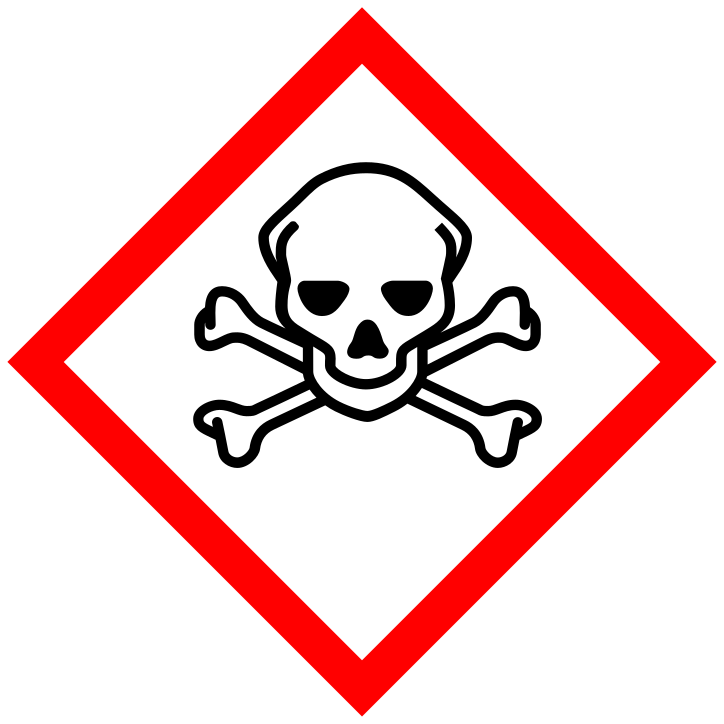
Skull and crossbones
Acute toxicity (fatal or toxic).
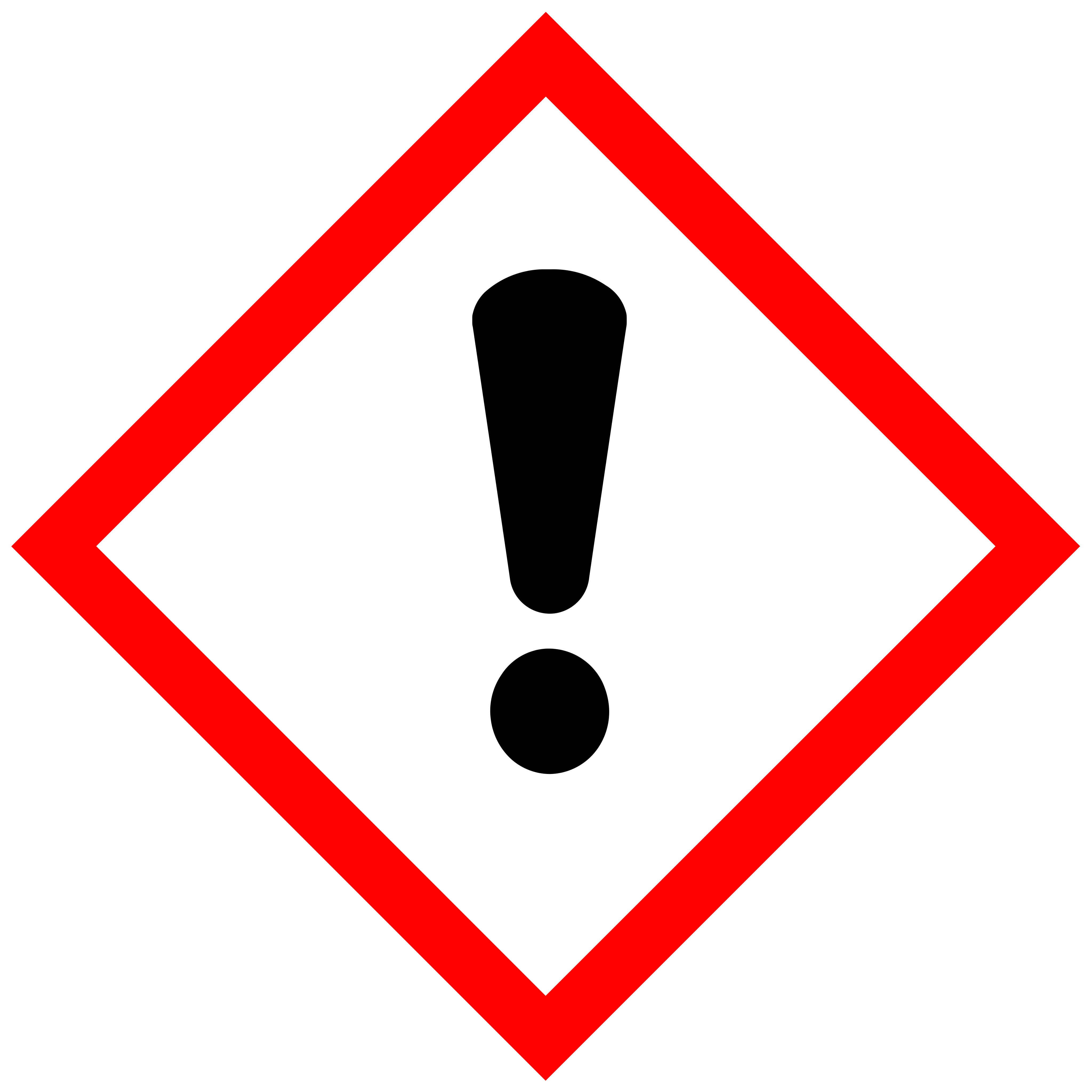
Exclamation mark
Acute toxicity (harmful); skin and eye irritation; skin sensitization; specific target organ toxicity (single exposure, category 3); respiratory tract irritation; narcotic effects.
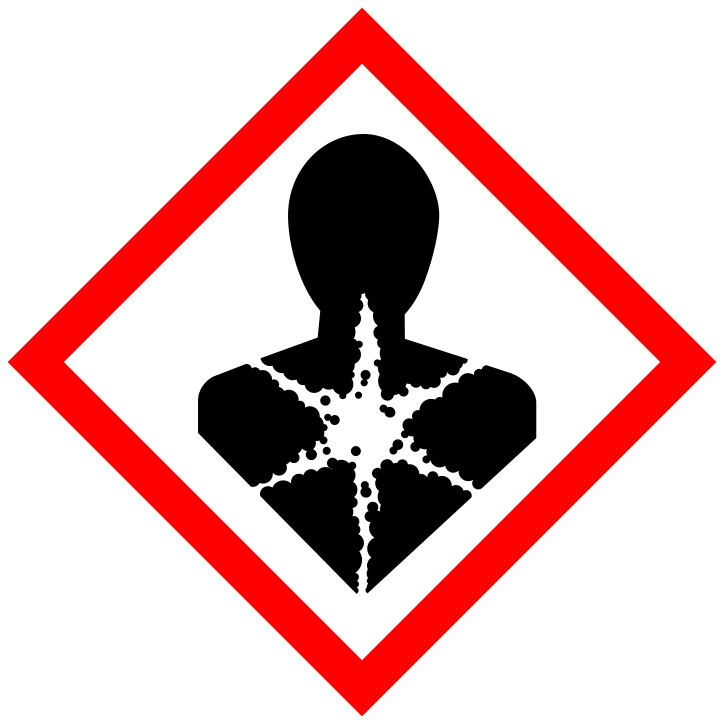
Health hazard
Carcinogenicity; respiratory sensitization; reproductive toxicity; germ cell mutagenicity; specific target organ toxicity; aspiration hazard.

Biohazardous infectious materials
Microorganisms, nucleic acids or proteins that cause or probably cause infection in humans or animals (a WHMIS hazard class kept in addition to the UN GHS classes).
The environment pictogram used in some other countries is not part of WHMIS 2015. The biohazard pictogram here is a simplified drawing for training use; see the Hazardous Products Regulations for the official artwork.
How to read a WHMIS label
Supplier label (on the container as received)
- Product identifier: the product name, matching the SDS.
- Initial supplier identifier: name, address and phone number.
- Pictogram(s): from the product's hazard classification.
- Signal word: "Danger" for the more severe hazards, "Warning" for the less severe.
- Hazard statement(s) and precautionary statement(s): what the hazard is, and how to prevent, respond to, store and dispose of the product.
- Supplier labels are bilingual (English and French).
Workplace label (applied by the employer)
A workplace label is needed when a hazardous product is decanted into another container or produced at the workplace, and when a supplier label is lost or unreadable, with limited exceptions such as portable containers for immediate use. In B.C. it shows the product name matching the SDS, information for safe handling and a reference to the SDS. See OHS Regulation sections 5.9 and 5.10.
Safety Data Sheet (SDS)
The SDS has 16 sections, from identification and hazard identification to first aid, handling and storage, exposure controls and toxicology. Sections 12 to 15 (ecological, disposal, transport and regulatory information) are not mandatory in Canada but are normally included. In B.C. the employer must make SDSs readily available to workers (OHS Regulation s. 5.16).
Common questions
Who needs WHMIS training?
In B.C., a hazardous product may not be used, stored or handled unless labels, SDSs and worker education and training are in place (OHS Regulation s. 5.4). Workers must be trained on label and SDS content and on safe use, storage, handling, disposal and emergency procedures, specific to the workplace (s. 5.7).
Are WHMIS pictograms the same as the TDG placards?
No. WHMIS pictograms are for hazardous products used in the workplace. Transportation of Dangerous Goods (TDG) labels and placards are for moving dangerous goods, and they look different.
Ready to train your team?
WHMIS online course
Train your workers on labels, SDSs and safe handling. Online, on any device. Read our plain-language WHMIS guide first if you like.
Read: What is WHMIS? Training and requirements in Canada
Free to print and share
This resource is free to print, copy and share with attribution to Gama Safety Canada. Please keep the Gama Safety footer on printed copies, and link to this page if you share it online. Please do not sell it, and check any regulatory citation against the source before changing it.
Link to this page (copy and paste)
Sources
- Health Canada: WHMIS supplier requirements guidance
- CCOHS: WHMIS pictograms
- B.C. OHS Regulation Part 5: Chemical and Biological Substances (WHMIS)
Regulation references were checked against the online OHS Regulation in October 2026. Regulations change: confirm against the current text and your employer procedures. General information, not legal advice.