
WHMIS 2015 uses 9 hazard symbols, called pictograms: 8 from the global GHS system plus Canada’s own biohazardous infectious materials symbol. The 8 GHS symbols are black on a white background inside a red diamond, and the biohazard symbol sits inside a black circle. Each one tells you at a glance what kind of hazard a product has. You may also see a 10th symbol, the GHS environment pictogram, but it is not part of WHMIS. Below is what every WHMIS symbol means, which products carry it, and what to do when you see it.
The WHMIS symbols at a glance
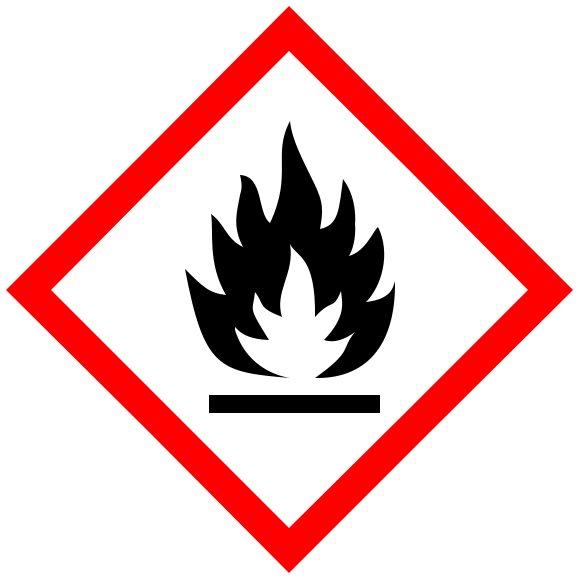
Flame
Flammable products: they can catch fire easily, or give off flammable gas.
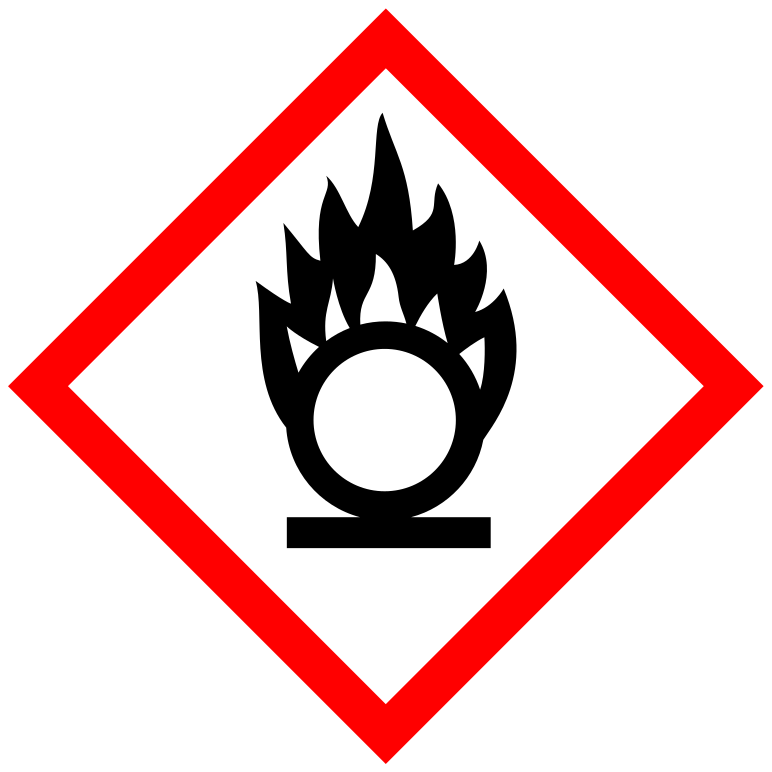
Flame over circle
Oxidizers: they can cause or worsen a fire.
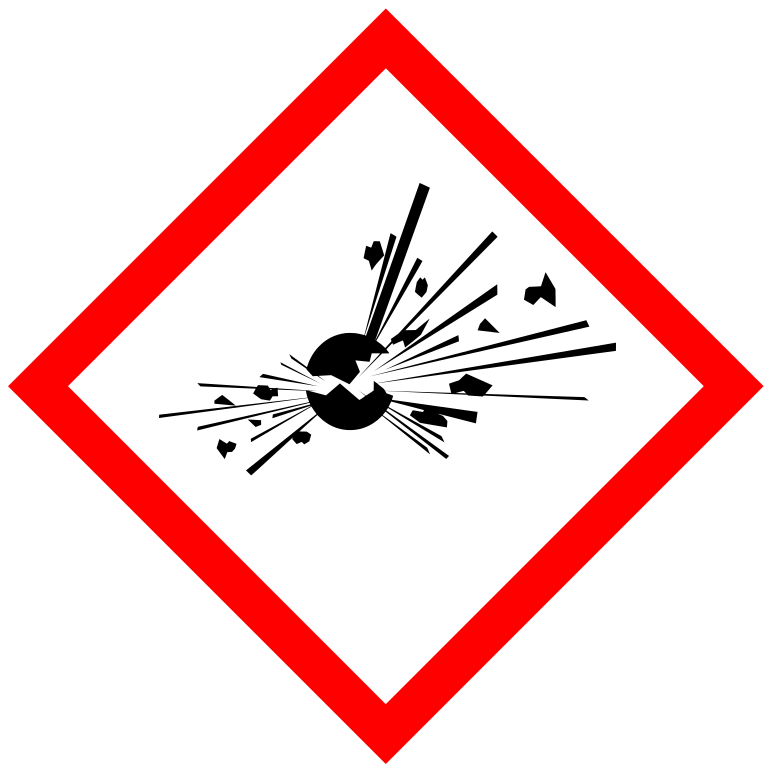
Exploding bomb
Explosion or reactivity hazard: some self-reactive products and organic peroxides.
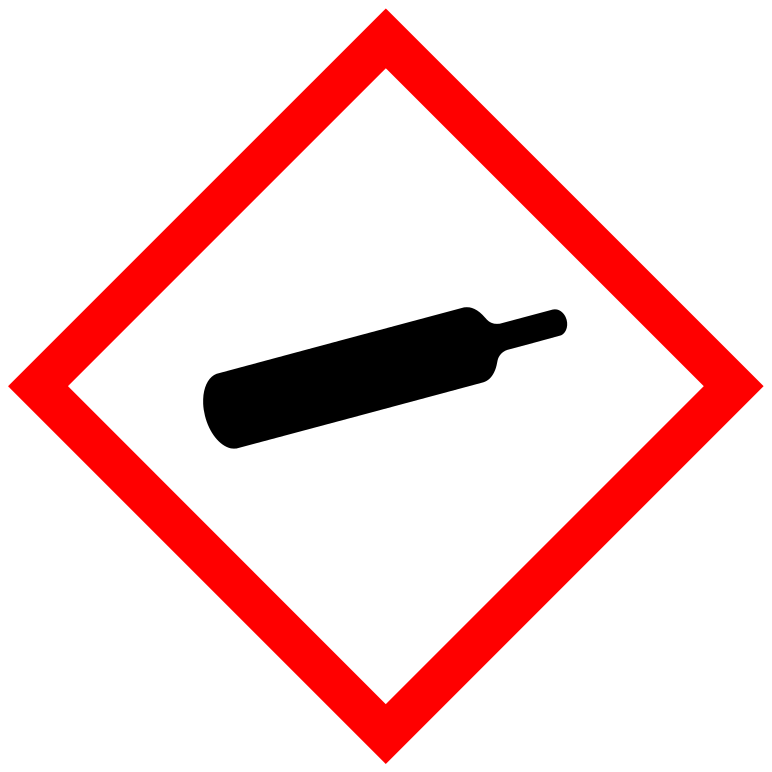
Gas cylinder
Gases under pressure: the container may explode if heated.
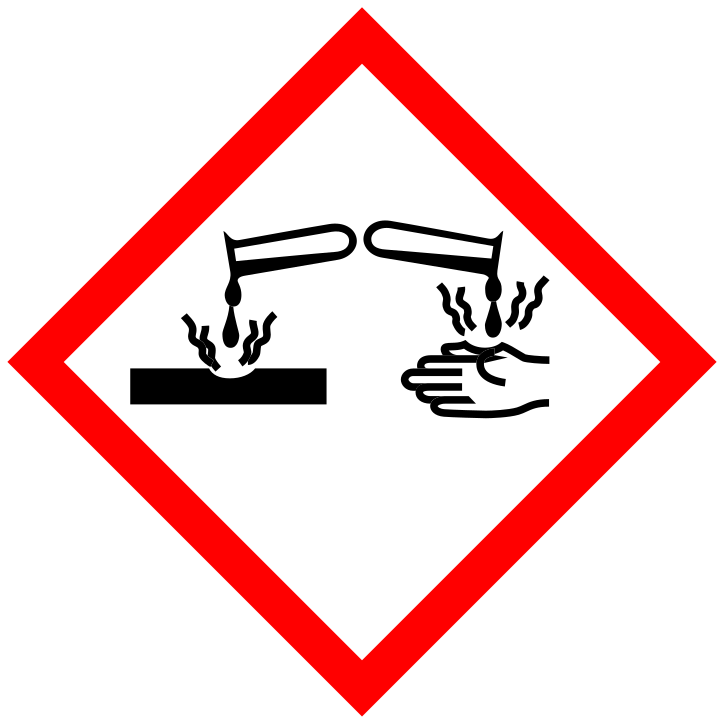
Corrosion
Corrodes metal, or causes severe skin burns and eye damage.
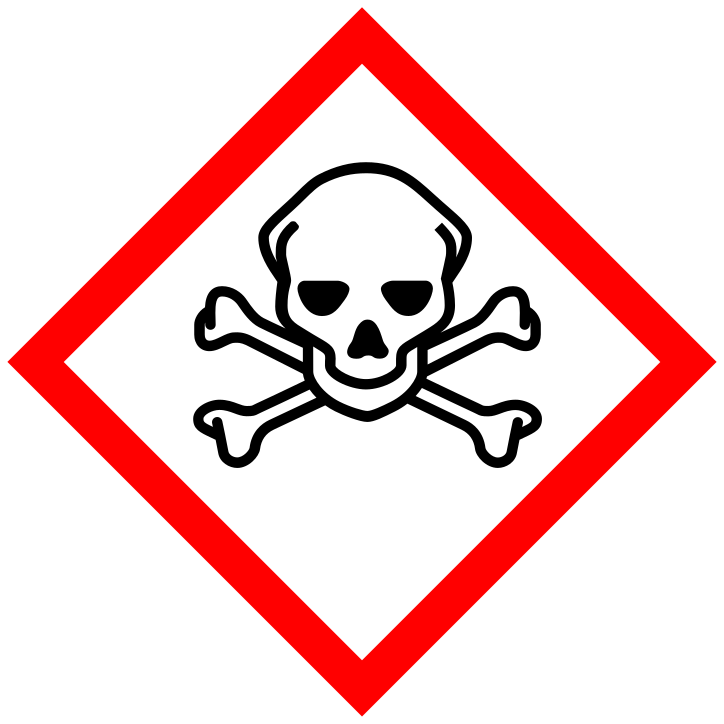
Skull and crossbones
Acute toxicity: can be fatal or toxic even in small amounts.
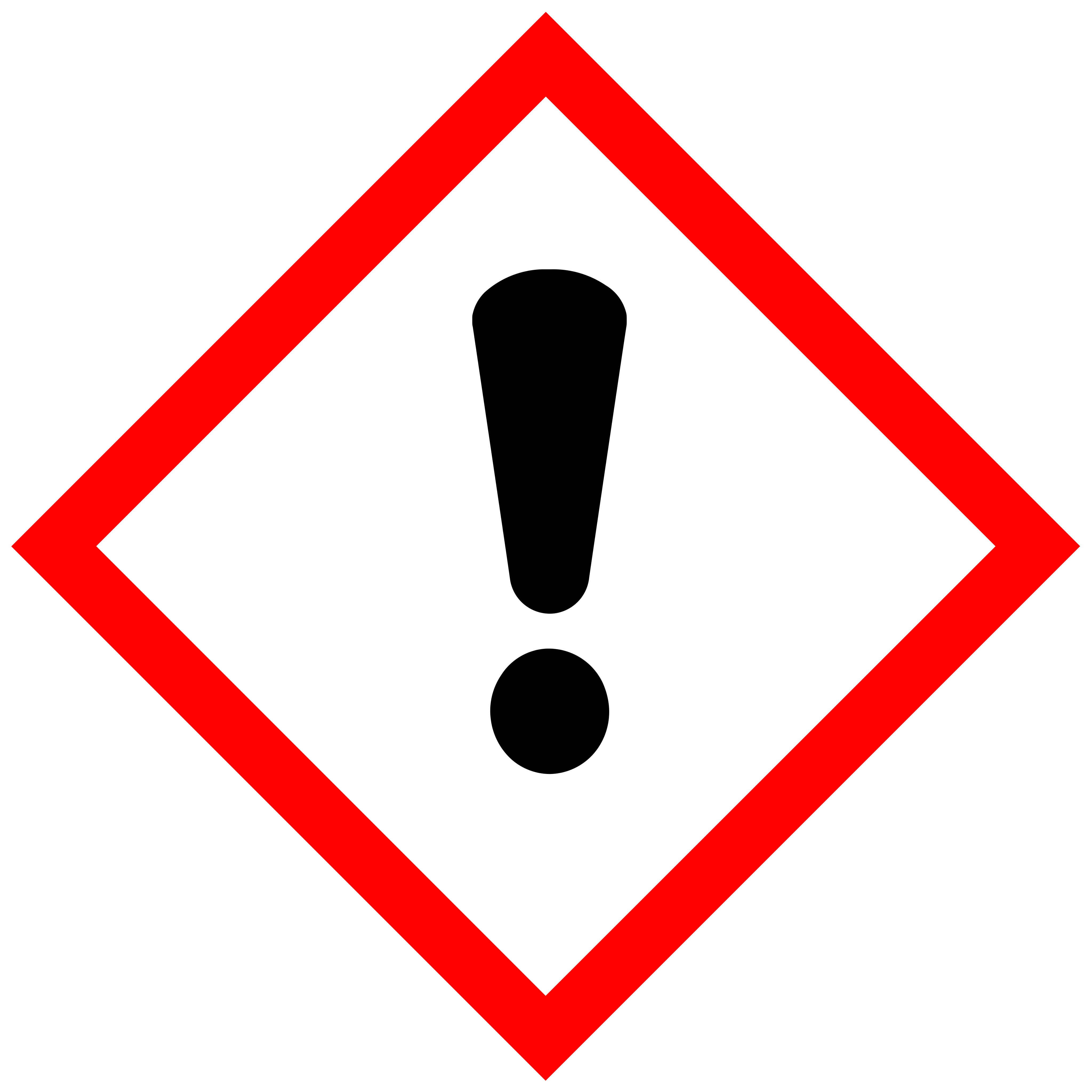
Exclamation mark
Less severe health effects: irritation, allergic skin reaction, dizziness.
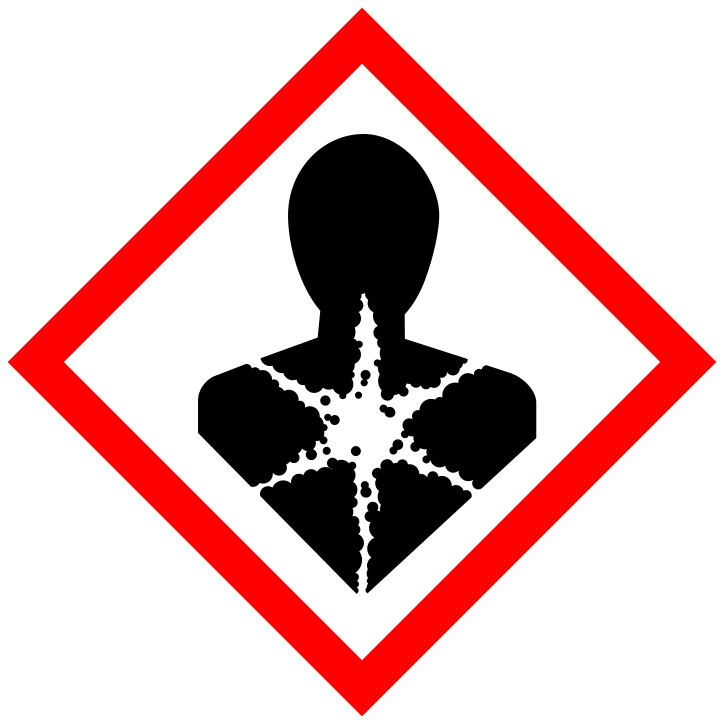
Health hazard
Serious long-term effects: cancer, organ damage, breathing sensitization.
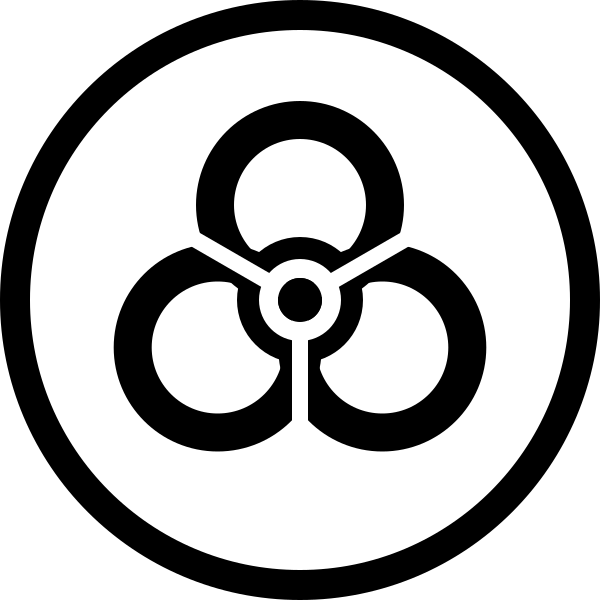
Biohazardous infectious materials
Organisms or toxins that can cause disease (WHMIS only).
| Symbol | What it means | Common examples |
|---|---|---|
| Flame | Fire hazard: flammable, self-heating or reacts with water to give off flammable gas | Gasoline, propane, aerosol paint, solvents |
| Flame over circle | Oxidizer: can cause or worsen a fire | Pool chlorine, hydrogen peroxide, oxygen |
| Gas cylinder | Gas under pressure: may explode if heated | Welding gas cylinders, CO₂, nitrogen |
| Corrosion | Burns skin, damages eyes or corrodes metal | Drain cleaner, battery acid, concrete cleaners |
| Exploding bomb | Explosion or reactivity hazard | Some organic peroxides and self-reactive chemicals |
| Skull and crossbones | Acute toxicity: can kill or poison quickly, even in small amounts | Some pesticides, cyanide compounds, methanol |
| Health hazard | Serious long-term health effects | Products with benzene, crystalline silica, some solvents |
| Exclamation mark | Less severe health effects: irritation, allergy, drowsiness | Many cleaners, adhesives, degreasers |
| Biohazardous infectious materials | Organisms or toxins that can cause disease | Lab cultures, some medical waste |
Want it on the wall? Download our free printable WHMIS symbols poster, then test yourself with the WHMIS symbols quiz.
What each WHMIS symbol means
Flame
The flame means a fire hazard. It covers flammable gases, aerosols, liquids and solids, pyrophoric products (they catch fire on contact with air), self-heating products, products that give off flammable gas in contact with water, and some self-reactive products and organic peroxides. Keep these away from heat, sparks and open flames, and store them as the label and SDS say.
Flame over circle
The flame over a circle means an oxidizer. Oxidizing gases, liquids and solids give off oxygen, so they can start a fire or make one burn hotter and faster. Never store them next to flammable or combustible materials.
Gas cylinder
The gas cylinder means gases under pressure: compressed, liquefied, refrigerated liquefied or dissolved gases. The container can burst if it is heated or damaged, and refrigerated gases can cause cold burns. Secure cylinders upright and keep them away from heat.
Corrosion
The corrosion symbol shows liquid eating into a hand and a metal bar. It means the product can cause severe skin burns and eye damage, or is corrosive to metals. Wear the gloves, goggles or face shield the SDS lists, and know where the eyewash station is.
Exploding bomb
The exploding bomb means an explosion or reactivity hazard. In WHMIS it is used for the most reactive self-reactive substances and organic peroxides, which can explode if heated, shocked or contaminated. (Explosives themselves are regulated under the Explosives Act, not WHMIS.)
Skull and crossbones
The skull and crossbones means acute toxicity: the product can be fatal or toxic after a single short exposure, by swallowing, skin contact or breathing it in. Follow the label exactly, and know the first-aid steps in section 4 of the SDS before you use it.
Health hazard
The health hazard symbol (a person with a star on the chest) means serious or long-term health effects. It covers products that may cause cancer, genetic damage, harm to fertility or an unborn child, organ damage, breathing sensitization (asthma-like reactions), or lung damage if swallowed and then inhaled (aspiration hazard). The harm can show up years later, so use the PPE and controls every time.
Exclamation mark
The exclamation mark means less severe health effects: skin or eye irritation, skin allergies, being harmful if swallowed or inhaled, or breathing irritation, drowsiness or dizziness. "Less severe" does not mean safe. Read the label and avoid repeated contact.
Biohazardous infectious materials
This symbol is unique to WHMIS (it is not a GHS symbol). It is drawn inside a black circle instead of a red diamond, and it marks micro-organisms, nucleic acids or proteins that can cause disease in people or animals, such as some lab cultures. Workers who handle these need specific procedures, PPE and often bloodborne pathogens training.
A few hazard classes have no symbol at all, for example combustible dusts and simple asphyxiants. Their labels use a signal word ("Danger" or "Warning") and hazard statements instead, which is why reading the whole label matters.
Is there a 10th WHMIS symbol?
No. You will often read that there are "10 WHMIS symbols" because the global GHS system also has an environment pictogram (a dead tree and fish). Environmental hazards are not part of WHMIS, so that symbol is not required on Canadian workplace labels, but you may still see it on products sold internationally. For WHMIS, learn the 9 symbols above.
Get your WHMIS certificate today
100% online · unlimited free retakes · instant certificate + free wallet card
Old WHMIS 1988 symbols vs WHMIS 2015
Before WHMIS 2015, Canada used 8 symbols inside a circle on labels with a hatched border (WHMIS 1988). WHMIS 2015 replaced them with the red-diamond GHS pictograms, and the changeover ended for most workplaces on December 1, 2018. If you still find a product with an old circle symbol, ask your supervisor: it should have a current WHMIS 2015 label and SDS.
| WHMIS 1988 | WHMIS 2015 | |
|---|---|---|
| Shape | Symbols in a circle | Pictograms in a red diamond |
| Number of symbols | 8 | 9 |
| Signal words | None | "Danger" or "Warning" |
| Data sheet | MSDS (9 sections) | SDS (16 sections) |
In December 2022 Health Canada also amended the Hazardous Products Regulations (for example, adding a "chemicals under pressure" hazard class), with a transition for suppliers that ended in December 2025. The 9 pictograms did not change.
WHMIS symbols vs TDG placards
WHMIS symbols are for products in the workplace. When dangerous goods are shipped, they use Transportation of Dangerous Goods (TDG) labels and placards instead: coloured diamonds with a class number at the bottom (for example, red with a "3" for flammable liquids). Some symbols look alike, but the systems have different rules. If you handle, ship or receive dangerous goods, you need TDG training as well as WHMIS.
Where you will see WHMIS symbols
- Supplier labels: on the product as it arrives, with the pictograms, signal word, hazard and precautionary statements, and the supplier’s details.
- Workplace labels: when a product is moved into another container or made on site. They must show the product name, safe-handling information and a reference to the SDS. Pictograms are often included.
- Safety Data Sheets: section 2 (hazard identification) shows the same pictograms as the label. Read our guide to the 16 SDS sections.
Do you need WHMIS training to work with these products?
Yes. Every province requires employers to train workers who work with or near hazardous products: in British Columbia under Part 5 of the OHS Regulation, in Ontario under Regulation 860, and in Alberta under Part 29 of the OHS Code. Training has two parts: general WHMIS education (symbols, labels and SDSs) and site-specific training on the products at your workplace. Many provinces, including B.C. and Ontario, also require employers to review WHMIS training at least once a year.
Not sure if your training is still current? See how long WHMIS is good for. Want the full list of hazard types behind the symbols? See WHMIS hazard classes.
Our online WHMIS course covers the general part in about 90 minutes, in several languages, with unlimited free exam retakes and an instant certificate.
Frequently asked questions
How many WHMIS symbols are there?
WHMIS 2015 uses 9 symbols (pictograms): 8 GHS pictograms plus the biohazardous infectious materials symbol, which is unique to WHMIS. The GHS environment symbol is sometimes counted as a 10th, but it is not part of WHMIS.
What does the flame over circle mean?
It means an oxidizer: a product that gives off oxygen and can cause or worsen a fire. Keep oxidizers away from flammable and combustible materials.
What is the WHMIS biohazard symbol?
The biohazardous infectious materials symbol marks organisms or toxins that can cause disease in people or animals. It is the only WHMIS symbol that is not part of the global GHS system.
What is the difference between the flame and the flame over circle?
The flame means the product itself can catch fire. The flame over circle means the product is an oxidizer: it may not burn itself, but it can cause or feed a fire in other materials.
What replaced the old WHMIS symbols?
WHMIS 2015 replaced the 8 circle symbols of WHMIS 1988 with GHS pictograms in a red diamond. The transition ended for most workplaces on December 1, 2018.
Are WHMIS symbols the same as GHS symbols?
Mostly. WHMIS 2015 uses 8 of the GHS pictograms, leaves out the GHS environment pictogram, and adds its own biohazardous infectious materials symbol.
What is the difference between WHMIS and TDG symbols?
WHMIS symbols are used on products in the workplace. TDG labels and placards are used when dangerous goods are transported, and they are coloured diamonds with a class number.
Where can I get a WHMIS symbols poster?
You can download Gama Safety’s free printable WHMIS pictogram poster at gamasafety.ca/resources/whmis-pictogram-poster.
Related